Table of Contents
What Is AI Appointment Setting?
How AI-Driven Appointment Setting Works (Step by Step)
Where AI Beats Humans in Appointment Setting
Where AI Still Falls Short (And Humans Win)
Best AI Appointment-Setting Tools to Know in 2026
AI Appointment Setting Best Practices
Metrics That Matter in AI Appointment Setting
In-House AI Tools vs Outsourced Appointment Setting: How to Choose
How Cleverly's B2B Appointment Setting Service Books Qualified Meetings
Conclusion
Modified On :
October 14, 2026
Key Takeaways
- AI has compressed the cost of booking a meeting, but it hasn't compressed the skill required to book a good one. Teams that win in 2026 pair AI with human judgment instead of replacing one with the other.
- The real value of AI appointment setting sits in the repetitive 80% of the workflow: research, enrichment, sequencing, and follow-up. The 20% that actually converts, objection handling, qualification, tone, still needs a human.
- Booking volume is a vanity metric on its own. Show rate and meeting-to-opportunity rate are what tell you whether the system is actually working.
- Your AI system only amplifies what you feed it. A loose ICP or thin data produces fast, confident, wrong outreach at scale.
- The build-vs-buy decision isn't really about tools. It's about whether you want to operate an appointment-setting system or just want the meetings on your calendar.
Your meeting volume is flat. Your outreach costs keep climbing. And hiring another SDR means three months of ramp before you see a single booked call.
That's the pressure most B2B sales teams are sitting in right now, and it's why AI appointment setting has gone from a buzzword to a line item almost every revenue leader is evaluating.
The shift is real. AI adoption among BDR teams hit 99% in 2026, up from just 53% in 2024, and among enterprise B2B teams specifically, production use of AI SDR tools climbed to 41% in Q1 2026, up from 12% a year earlier. But the honest data tells a more interesting story than "AI replaced the SDR."
Despite near-universal adoption, only 8% of organizations actually downsized their BDR teams in 2026. The category promised subtraction. What actually happened was addition, humans plus AI, not humans replaced by AI.
This guide breaks down what AI appointment setting actually is, how it works step by step, where it wins, where it still falls short, which tools to know, and how to decide between building it yourself or outsourcing it.
If you're a founder running your own outbound, a sales leader evaluating AI SDR tools, or an SDR manager trying to figure out where automation actually helps, this is for you.
What Is AI Appointment Setting?
AI appointment setting is the use of artificial intelligence to identify, contact, qualify, and book meetings with prospects, either as part of the workflow or as the whole thing. That's the plain definition. The confusing part is how many terms get thrown around to describe pieces of it.
An AI appointment setter typically refers to the software or system doing the outreach and booking. AI SDR is the broader category term, usually referring to a tool or platform meant to replicate the functions of a human sales development rep.
Automated appointment setting sometimes gets used loosely to describe basic scheduling automation too, which is where a lot of confusion starts.
AI Appointment Setting vs. Basic Automation
This distinction matters more than most vendors admit. A scheduling link or a fixed email sequencer follows rules you set once. It doesn't read a reply, doesn't adapt, doesn't make a judgment call.
An AI system does something different: it interprets what a prospect actually said, decides what to send next, and routes based on intent rather than a preset if-then chain.
That's the line between automation and AI, and it's worth knowing because plenty of tools marketed as "AI appointment setting" are really just automation with a chatbot layer on top.
AI-Assisted vs. AI-Autonomous
There are two real models on the market:
- AI-assisted: A human stays in the loop. AI handles research, drafting, and prioritization, but a person reviews, sends, or approves before anything goes out.
- AI-autonomous: The system runs the full sequence end to end, including replying to prospects and booking the meeting, without a human touching it.
Most teams that get burned by AI appointment setting jumped straight to autonomous before their data, targeting, and messaging were solid enough to trust unsupervised.
What This Isn't
AI appointment setting is not a replacement for a sales process. It won't fix a weak offer, and it isn't hands-off no matter what the demo makes it look like. Every system still needs a human defining the ICP, reviewing output, and handling the conversations that actually decide whether a deal moves forward.
The value isn't in eliminating people from the process. It's in removing the repetitive 80% so the humans on your team spend their time on the 20% that actually requires judgment.
🤖 Book More. Scale Faster.
Cleverly combines AI-powered outreach with proven B2B strategies to help 10,000+ businesses generate more qualified meetings.
How AI-Driven Appointment Setting Works (Step by Step)
Here's exactly where AI plugs into the workflow, and where it hands off to a human.
Step 1: ICP Definition and List Building
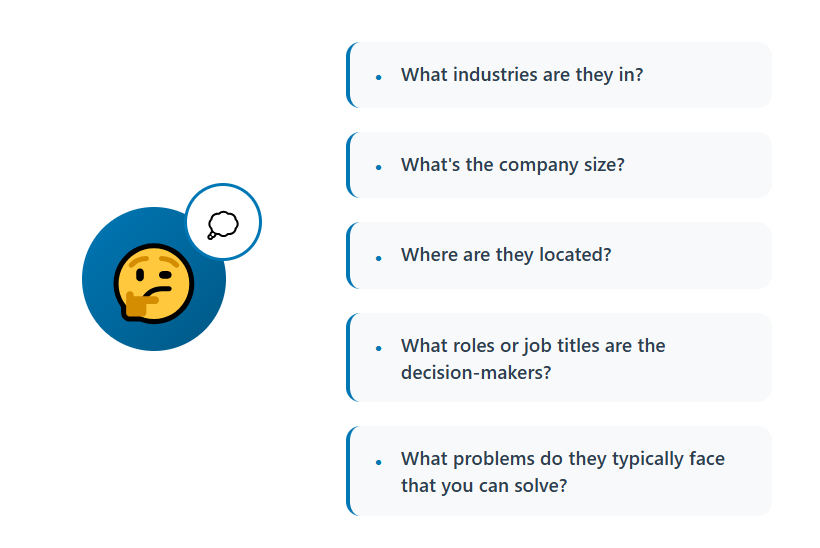
AI pulls and filters prospect lists against firmographic data (company size, industry, revenue), technographic data (what tools they already use), and intent signals (are they actively researching a solution like yours).
The time savings here are real. Turning a vague ICP description into a scored, prioritized list used to take a rep days. AI does it in minutes, at a scale no human list-builder can match.
Step 2: Enrichment and Research
Before a rep sends a single message, AI gathers role details, company context, recent trigger events (funding rounds, leadership changes, product launches), and verified contact data. What used to take a rep roughly 10 minutes per prospect now runs across an entire list simultaneously.
Step 3: Message Personalization
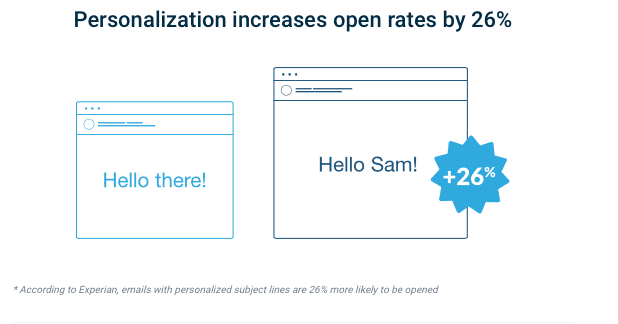
AI drafts opening lines and sequence copy using the enriched signals from step two, not generic merge-field personalization like "Hi {{first_name}}." Here's the catch worth remembering: AI personalization is only as good as the data feeding it.
Great enrichment produces sharp, specific messaging. Thin enrichment produces the same generic mail-merge copy dressed up to look smarter.
Step 4: Multichannel Outreach and Sequencing
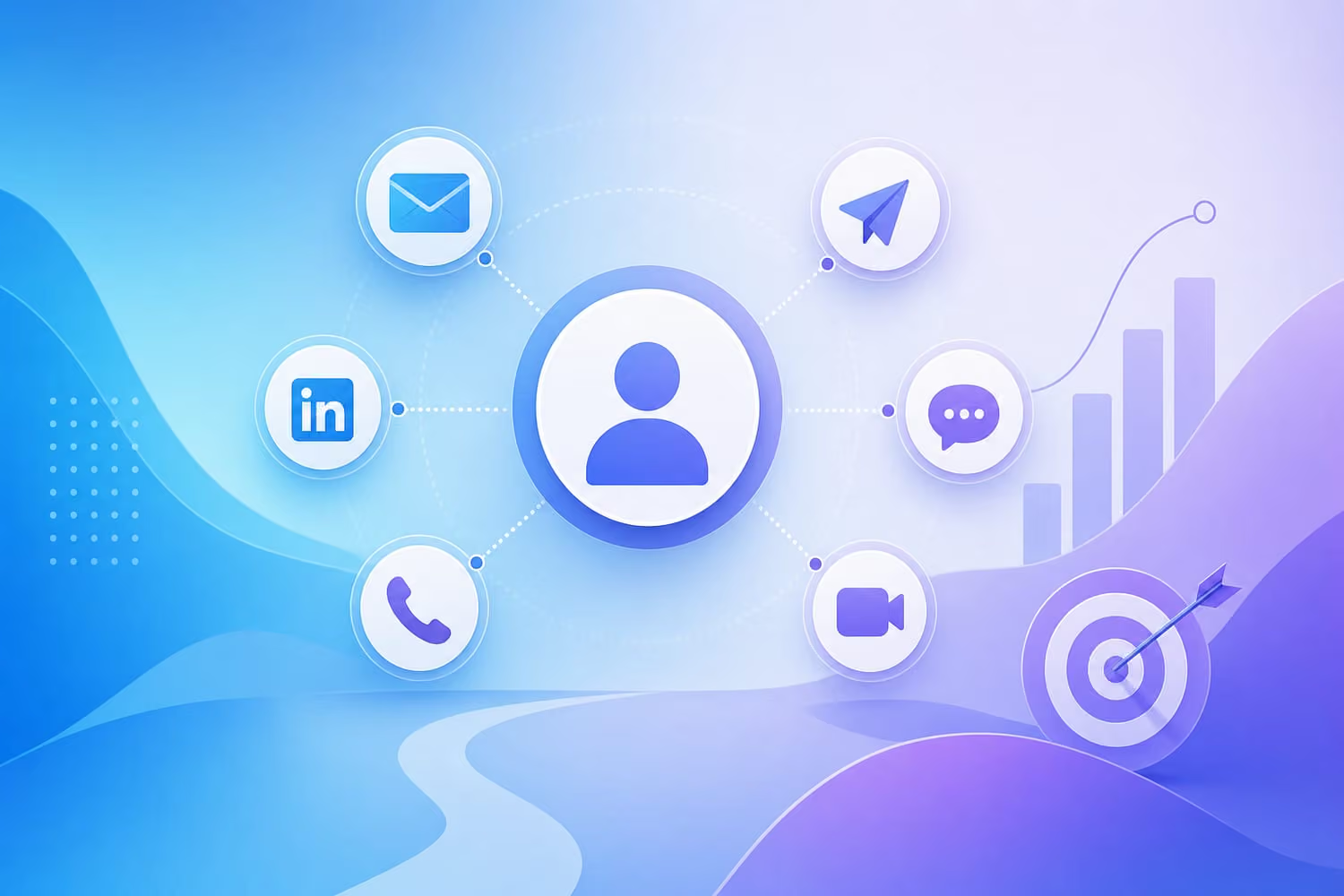
AI coordinates email, LinkedIn, and call touches, managing timing and follow-up logic across all three. The adaptive part matters most: the system changes the next touch based on how (or whether) the prospect responded to the last one, instead of blasting through a fixed cadence regardless of signal.
Step 5: Reply Handling and Qualification
AI classifies incoming replies, answers basic questions, and screens responses against your qualification criteria. It also flags the moments where a human needs to step in, a nuanced objection, a complex question, a prospect who sounds ready to buy but needs a real conversation.
Step 6: Booking and Calendar Handoff
Once a prospect is qualified and interested, AI handles the scheduling logistics: booking directly into the rep's calendar, passing along context from the conversation, and running confirmation and reminder sequences to protect your show rate.
Step 7: Learning and Optimization
Performance data feeds back into the system, refining messaging, timing, and targeting over time. This compounding loop is the real long-term argument for using AI here. A static sequence doesn't get smarter. A learning system does.
Where AI Beats Humans in Appointment Setting
There are places where AI simply outperforms a human team, not because it's smarter, but because of what it's structurally capable of doing.
Volume and consistency. AI runs the same quality of first touch across thousands of prospects without fatigue, mood swings, or a bad Monday.
Speed to lead. Responding to inbound and trigger events within minutes rather than hours matters enormously. Leads contacted within five minutes are dramatically more likely to qualify than those contacted after 30 minutes, and AI systems don't take coffee breaks or sit in meetings while a hot lead goes cold.
Research at scale. Manually enriching an entire prospect list is impractical. AI makes it standard practice.
Never dropping follow-up. This is where most human-run sequences quietly bleed pipeline. A rep gets busy, forgets touch four, and a warm lead goes cold. AI doesn't forget.
Always-on coverage. AI works across time zones and outside business hours without needing a night shift.
Cost per touch and cost per booked meeting. Compared to fully loaded SDR headcount, cost per qualified opportunity in hybrid AI-plus-human pods has fallen significantly as teams mature their systems.
Testing at scale. AI can run A/B tests across message variants, timing, and channels at a volume and speed no human team could execute or analyze manually.
📈 Turn AI Into Pipeline
With 53,000+ meetings booked and $312M+ pipeline generated, Cleverly helps B2B teams turn outbound outreach into predictable growth.
Where AI Still Falls Short (And Humans Win)
This is the part most vendor pitches skip, and it's the part that actually determines whether your program books meetings that turn into revenue or just meetings that turn into wasted calendar slots.
Complex or emotional objection handling. AI can deflect a stated objection reasonably well. It rarely reframes a real, underlying concern the way an experienced human can read between the lines and respond to.
Multi-stakeholder and enterprise deals. When access depends on relationship-building across several decision-makers, AI struggles. These deals move on trust built over time, not sequenced messaging.
Nuanced qualification. AI books meetings that look qualified on paper (right title, right company size) but waste an AE's time in the actual conversation because the fit isn't real. Paper qualification and true qualification are not the same thing.
Tone and credibility on the phone. Human callers still convert meaningfully better than synthetic voices in live conversation, especially once a prospect asks an unscripted question.
Judgment calls. Knowing when to push, when to back off, and when to escalate to a manager is not something current AI systems handle reliably.
Brand risk. A human having an off day makes one bad call. An AI system misfiring at scale can damage your brand across hundreds of conversations before anyone notices.
The show-rate problem. AI is measurably better at booking a meeting than at making sure that meeting actually happens. Confirmation, reminders, and pre-meeting value all need deliberate design, not just automation.
The practical takeaway: automate the top of the funnel, and keep humans on the closing edge of it.
Best AI Appointment-Setting Tools to Know in 2026
Rather than an exhaustive list that goes stale in a quarter, here's how the category breaks down, with a few names worth knowing in each and who they suit.
Full-Stack AI SDR Platforms
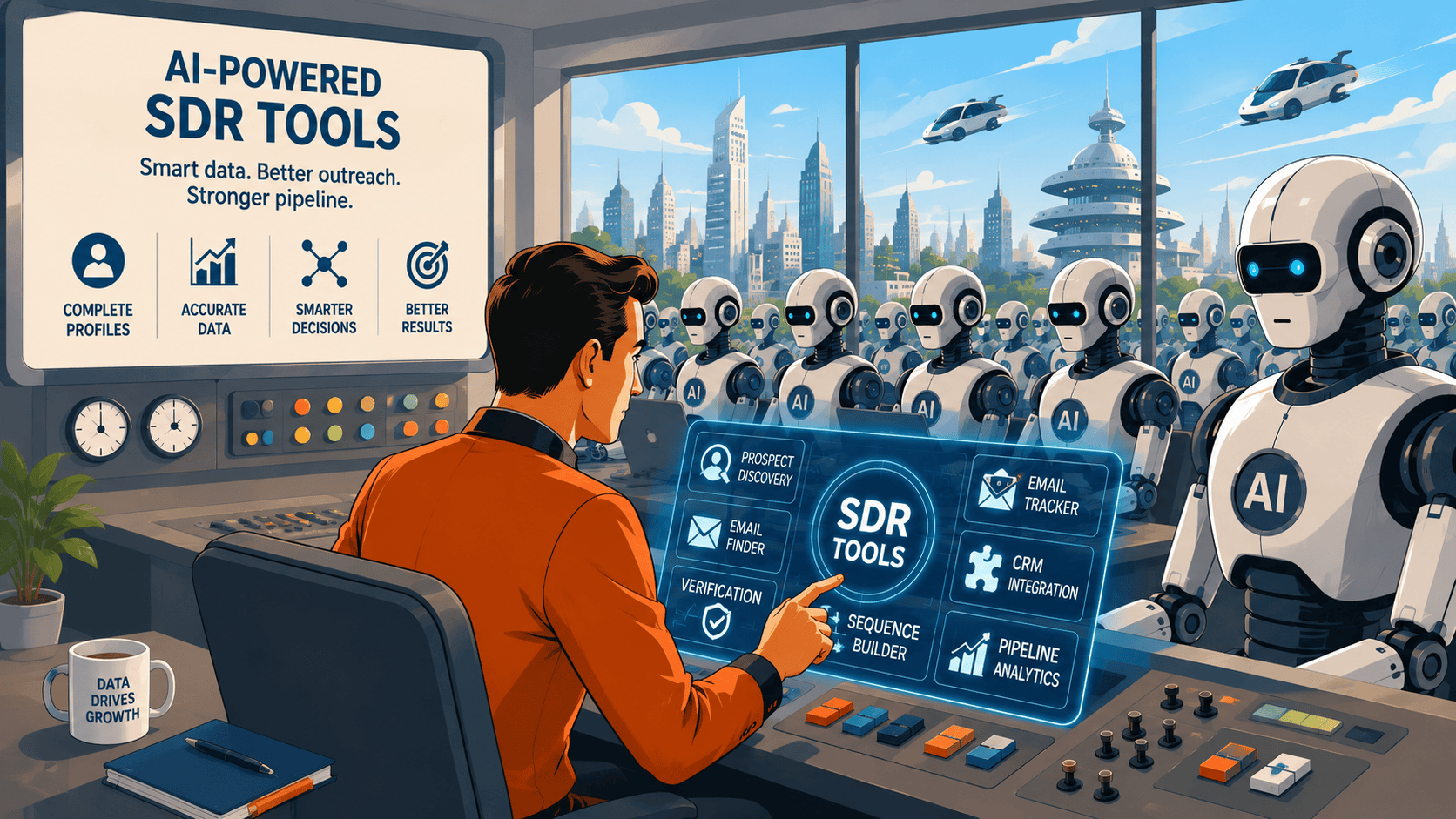
These handle prospecting through booking in a single system, often with a built-in contact database included. Best for teams that want one vendor to own the whole workflow, though usually the highest price point and the steepest setup curve.
- 11x.ai — one of the most autonomous options on the market, running research, outreach, and follow-up with minimal human input. Priced at the high end, often $5,000 to $10,000 a month.
- Artisan — positions its AI agent, Ava, as a full digital SDR, with an optional human approval workflow for teams that want oversight before anything sends.
- Amplemarket — bundles prospecting, enrichment, and multichannel sequencing into one platform, often cited as one of the more complete options for mid-market teams.
AI Sequencing and Outreach Tools
These layer AI-driven personalization and adaptive follow-up on top of your existing email and LinkedIn workflows. Best for teams that already have solid data and want smarter execution without ripping out their whole stack.
- Apollo.io — combines a large contact database with sequencing and enrichment, a common starting point for budget-conscious teams.
- Autobound — focused specifically on signal-driven personalization, pulling from a wide range of data providers to sharpen messaging beyond first-name merge fields.
- AiSDR — markets itself as a transparent, fully autonomous sequencing option at a lower price point than the full-stack platforms above.
AI Voice and Calling Agents
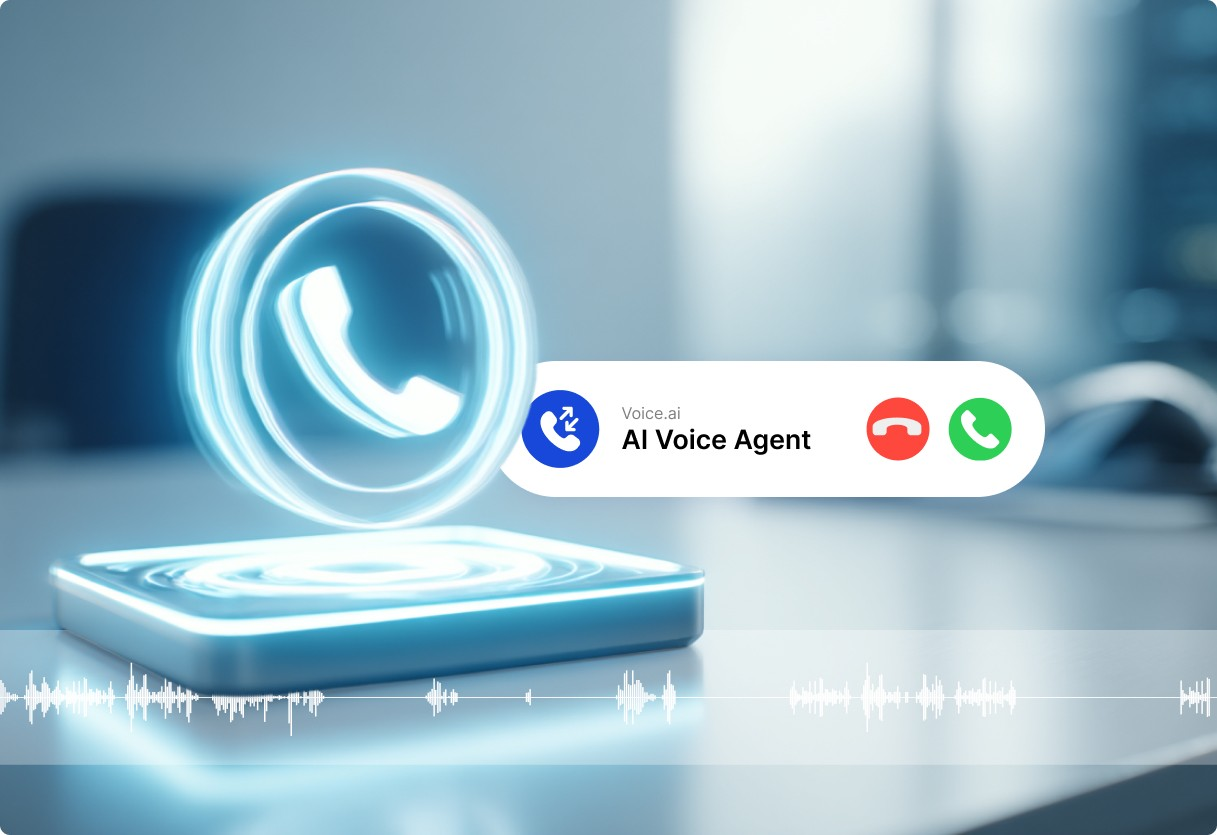
Automated dialing paired with conversational voice qualification. Worth noting: the maturity gap here is real. These tools are improving fast, but they're still meaningfully weaker than a trained human caller on anything beyond a scripted opening.
- Orum — the benchmark for high-volume parallel dialing, using AI to detect live answers versus voicemail and route only real conversations to reps.
- Nooks — pairs a parallel dialer with a virtual sales floor and live AI coaching, built for teams that want to develop rep skill alongside call volume.
- Salesfinity — uses AI to prioritize calls by pickup probability and enrich leads before the dial, aimed at mid-market outbound teams.
Data and Enrichment Layers
These supply the signal quality that everything downstream depends on. It's worth repeating: tool performance is capped by data accuracy. The best sequencing engine in the world can't fix bad enrichment.
- Clay — uses waterfall enrichment across dozens of data providers to maximize match rates, popular with RevOps teams building custom stacks.
- ZoomInfo — one of the largest B2B contact databases available, strong on accuracy for enterprise and North American contacts specifically.
- Cognism — phone-verified contact data with a strong compliance posture, often the pick for teams selling into Europe.
Scheduling and Show-Rate Tools
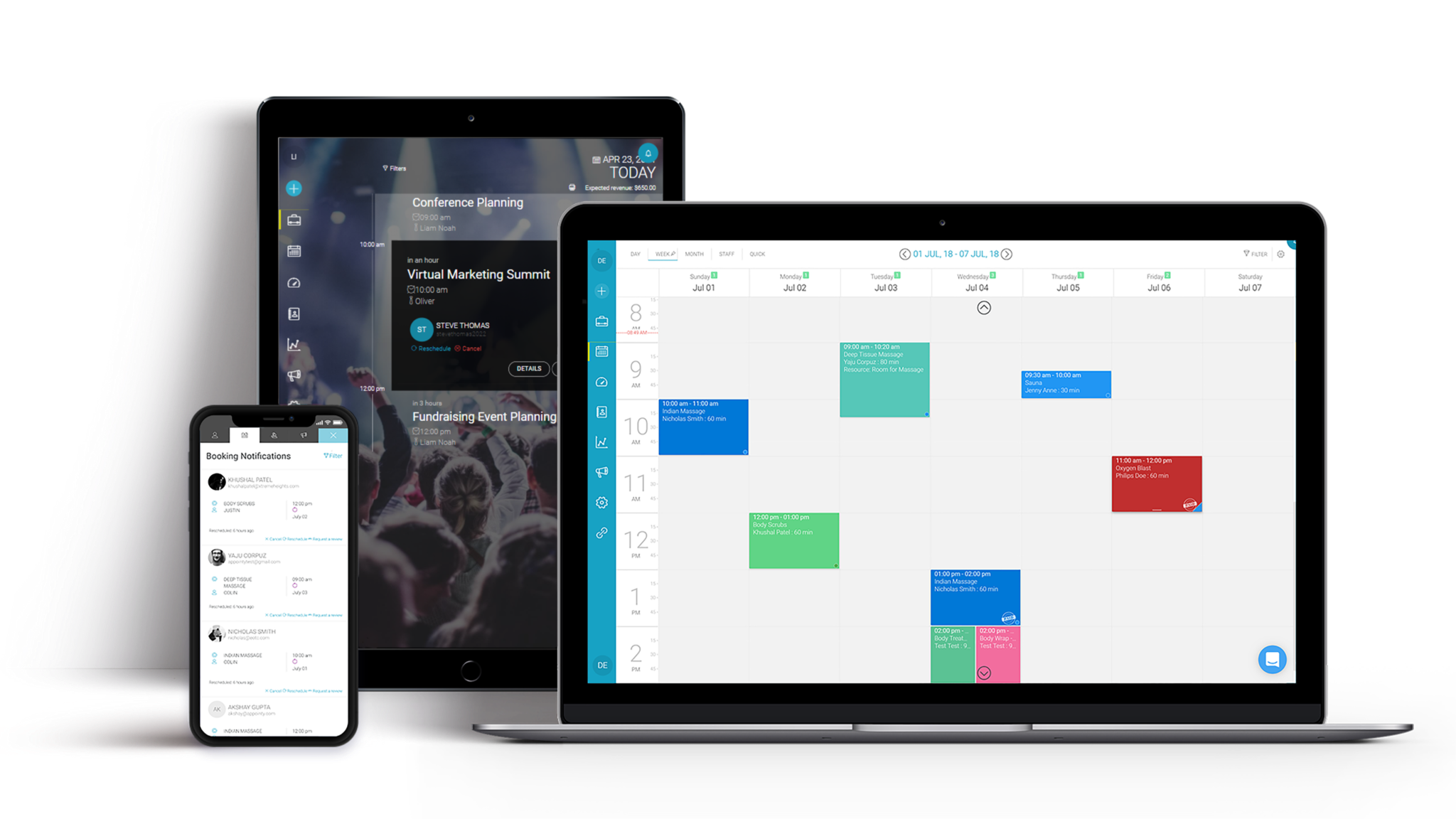
Booking, reminders, rescheduling, and no-show recovery. Cheap, unglamorous, and often the highest-ROI addition to a stack that's already booking meetings but losing them to no-shows.
- Chili Piper — built specifically for revenue teams, qualifying and routing inbound leads to a rep's calendar in real time instead of a generic booking link.
- Calendly — the simplest, most widely used option for straightforward scheduling and reminders, a reasonable starting point for smaller teams.
- Cal.com — an open-source alternative gaining ground on flexibility and pricing for teams that want more control over their booking flow.
What to Evaluate Before Buying
Before you sign anything, get clear answers on:
- Data source and accuracy — where does the contact and enrichment data actually come from
- Personalization depth — surface-level (name, company) or signal-based (trigger events, role-specific pain)
- CRM integration — does it fit your existing stack or require workarounds
- Reply-handling quality — how well does it actually interpret nuanced responses
- Pricing model — per seat, per lead, or flat platform fee
- Management overhead — how much internal time does running this actually require
AI Appointment Setting Best Practices
A few things separate the teams getting real pipeline from the ones getting a lot of activity and not much else.
1. Start with a tight ICP. AI amplifies whatever targeting you give it, including bad targeting. A vague ICP doesn't get fixed by better AI. It gets executed faster and wrong at scale.
2. Feed it good data. Enrichment quality determines personalization quality, full stop. This is the single highest-leverage thing you can fix.
3. Keep humans in the loop on replies and objections. Don't let AI run fully unsupervised until you've validated it against real conversations for weeks, not days.
4. Personalize on signals that matter. Trigger events and role-specific pain points move the needle. City and company name in a merge field do not.
5. Run multichannel by default. Multi-touch sequences across email, LinkedIn, and phone convert meaningfully better than any single channel alone.
6. Qualify against a written, specific standard. Otherwise AI books meetings that waste your AE's time chasing prospects who were never a real fit.
7. Protect show rate deliberately. Confirmations, reminders, and value delivered before the meeting all matter. A booked meeting that doesn't happen is worth nothing.
8. Review AI-generated copy regularly. Unmonitored output drifts toward generic fast, even with good initial setup.
9. Test one variable at a time. Otherwise you can't actually attribute what's working versus what just happened to work that week.
10. Set a realistic ramp expectation. These systems need weeks of real data before they optimize meaningfully. Anyone promising instant results is selling you something.
Metrics That Matter in AI Appointment Setting
Booked meetings alone is a vanity metric. Here's what actually tells you whether the system is working.
Watch for the most common failure mode in AI-driven programs: booking volume goes up while opportunity quality quietly drops. It's an easy trap, because the top-line number looks like success right up until pipeline review.
Benchmark against your own pre-AI baseline rather than industry averages. Your starting point, your ICP, and your sales cycle are specific enough that generic benchmarks rarely mean much.
In-House AI Tools vs Outsourced Appointment Setting: How to Choose

There are three real paths here: build with in-house SDRs, build with in-house AI tooling, or bring in an outsourced appointment-setting partner.
Cost. Fully loaded SDR headcount runs high once you factor salary, benefits, tools, and management time. In-house AI tooling looks cheaper on paper but stacks up fast once you add data subscriptions, deliverability infrastructure, and multiple point solutions. A managed service typically prices as one predictable monthly cost.
Hidden costs of DIY AI. This is where a lot of teams get surprised. Tool stacking (a sequencer, an enrichment layer, a dialer, a scheduling tool), data subscriptions, deliverability infrastructure (warmed domains, inbox rotation, spam monitoring), and the internal time required to manage all of it rarely show up in the initial pitch.
Ramp time. In-house SDR hiring takes months before consistent output. In-house AI tooling can move faster technically, but still needs weeks of internal tuning. A managed service with an existing system usually produces results faster because the infrastructure and playbooks already exist.
Control and flexibility. In-house gives you the most direct control. Outsourced trades some control for speed and reduced operational burden.
Who each option suits. Early-stage teams testing a motion often start in-house to learn what resonates. Scaling teams with a proven offer benefit most from outsourcing, since the offer is validated and the goal shifts to volume and consistency. Enterprise teams with existing SDR infrastructure often blend both, layering AI tools onto a team they already have.
The real question to sit with: do you want to operate an appointment-setting system, or do you want the meetings?
How Cleverly's B2B Appointment Setting Service Books Qualified Meetings
Most teams that buy an AI SDR tool end up managing software instead of getting meetings. The tooling is only a fraction of what actually makes appointment setting work, and that gap is exactly where Cleverly's B2B appointment setting service operates.
We run the process end to end: ICP definition, verified list building, multichannel outreach across LinkedIn, cold email, and cold calling, reply handling, and qualified meetings placed directly on your calendar. What makes this different from either a pure AI tool or a traditional outbound agency is the hybrid model.
We use automation and AI for exactly the layer where it performs best, research, enrichment, sequencing, and prioritization, while trained SDRs handle objections, qualification, and the conversations that actually decide whether a meeting is worth holding.
Data quality is the differentiator most teams underestimate. AI output is only as good as the input behind it, and most in-house stacks under-invest in that layer.
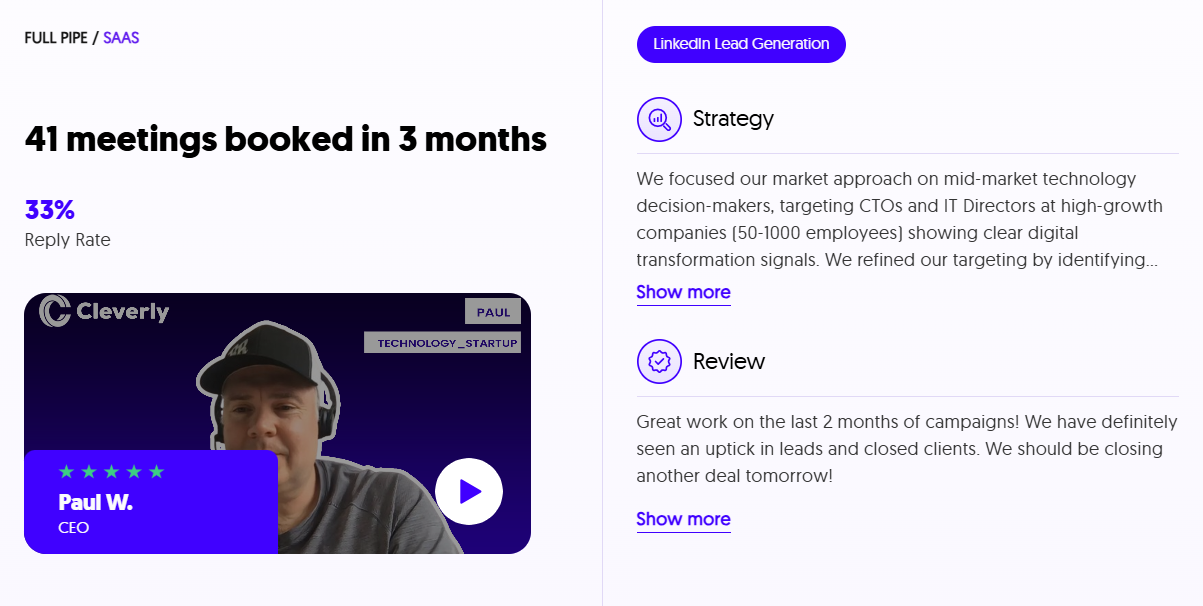
We've built and maintained that infrastructure across thousands of client campaigns, which is what lets us optimize for qualified, held meetings with real decision-makers instead of chasing booking volume as a metric.
The practical upside: no tool stack to assemble, no deliverability infrastructure to maintain, and no ramp period spent learning what converts through trial and error on your own budget.
Want qualified B2B meetings on your calendar without building the system yourself? Book a strategy call with Cleverly.
Conclusion
AI has genuinely changed the economics of booking a meeting. What hasn't changed is the skill required to book a good one. The winning model in 2026 is hybrid: AI handling research, sequencing, and follow-up, humans handling objections, qualification, and judgment calls that actually determine deal quality.
Results still start upstream of any tool decision. A tight ICP, clean data, and a differentiated offer beat any platform choice you'll make.
If you're evaluating where to start, audit where your current process is leaking first, automate that layer, and measure success against show rate and opportunity rate rather than raw booking count.
The teams that treat AI as leverage on top of a good system will keep pulling away from the ones expecting the AI to be the system.
Frequently Asked Questions
Free Resource
How to Scale a Profitable Cold Call System
Get the complete guide — download it instantly now.
Free Ebook
Download the Free Guide
Enter your details to get instant access.
You're all set! 🎉
Your ebook is downloading now.
Click below if the download didn't start automatically.